
How Does Assisted Living Support Daily Social Interaction?
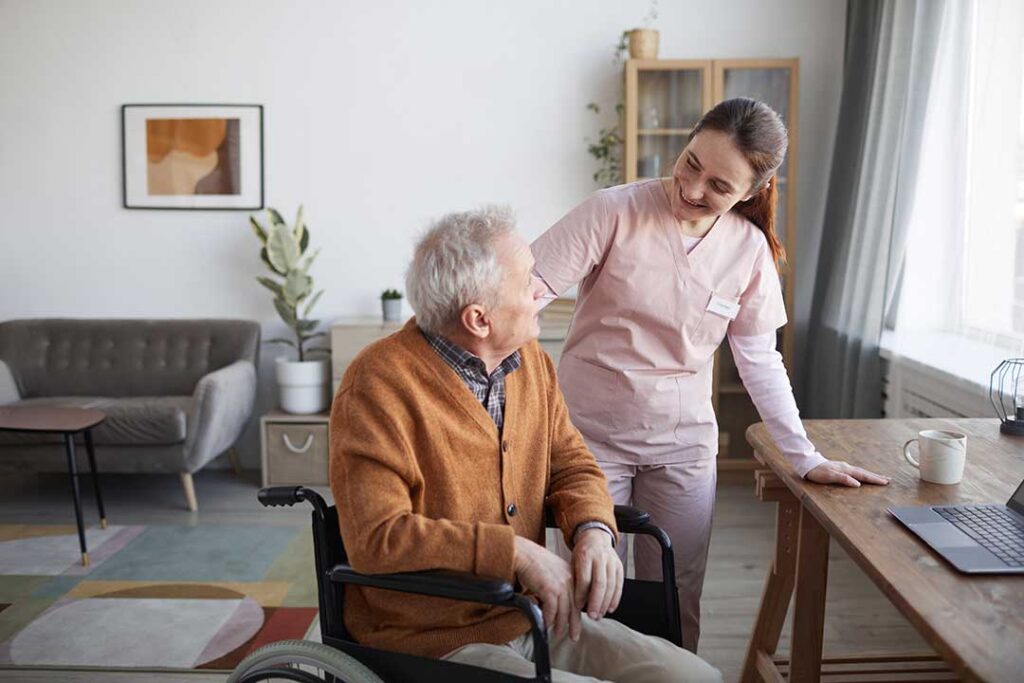
Assisted living communities in Bensalem, PA are designed specifically with group living in mind. Residents have daily opportunities to connect—often far more easily than those who live alone or in widely spaced neighborhoods.
These communities typically offer:
- Shared dining spaces encouraging conversation around meals
- Common lounges and gardens for informal gatherings
- Group activities, clubs, and learning sessions
This layout makes it simpler to maintain routines that include interaction, without needing to drive or coordinate complex arrangements with peers. For many local seniors, this support can mean the difference between isolation and feeling part of a lively household.
What Types of Group Activities Do Residents Participate In?
Residents in Bensalem can take part in both structured and spontaneous activities tailored to a range of interests and abilities. Group activities play a key role in creating daily touchpoints for relationship-building.
Some popular examples include:
- Game nights, puzzles, and card tournaments
- Seasonal arts and crafts projects
- Music appreciation or sing-alongs
- Gentle exercise and chair yoga classes
Beyond these, there are often seasonal or holiday celebrations that foster a sense of belonging and shared tradition—something particularly valued in a place like Bensalem where close-knit community roots run deep.
Are Connections Limited to Residents Only?
Assisted living in the city does not isolate residents from the wider world. Many facilities regularly invite local guest speakers, volunteers, or performers, bringing fresh perspectives and new faces into the environment.
Family and friends can visit freely, with communal spaces set up to comfortably accommodate gatherings. Some communities build partnerships with area schools, faith groups, and civic clubs, supporting intergenerational programs that connect elders with young people from Bensalem households.
How Does This Environment Help Combat Loneliness?
Social isolation is a well-documented health risk for older adults, sometimes contributing to depression or cognitive decline. In group living, small daily connections—whether shared jokes at breakfast or chatting during an afternoon walk in the courtyard—combine to make a meaningful difference.
Residents often remark that simply seeing familiar faces each day, even in passing, gives them a sense of security and companionship. This casual, dependable interaction alleviates loneliness in ways that can be difficult to replicate in single-family home settings, especially for those who no longer drive or have friends who’ve moved away.
Can Introverted or Private Individuals Still Feel Comfortable?
Not every resident seeks a packed social calendar. Assisted living in Bensalem typically respects the preference for solitude or select interactions by providing private living spaces alongside community amenities.
Residents choose their level of engagement:
- Some take part in every available activity
- Others prefer occasional participation or small group gatherings
Staff are trained to identify and gently encourage those who may benefit from more interaction, but ultimately, participation remains voluntary. Quiet corners, reading rooms, and garden spaces mean private time is always accessible—ensuring introverts are not overwhelmed.
Are Social Opportunities Adapted for Those with Mobility or Health Concerns?
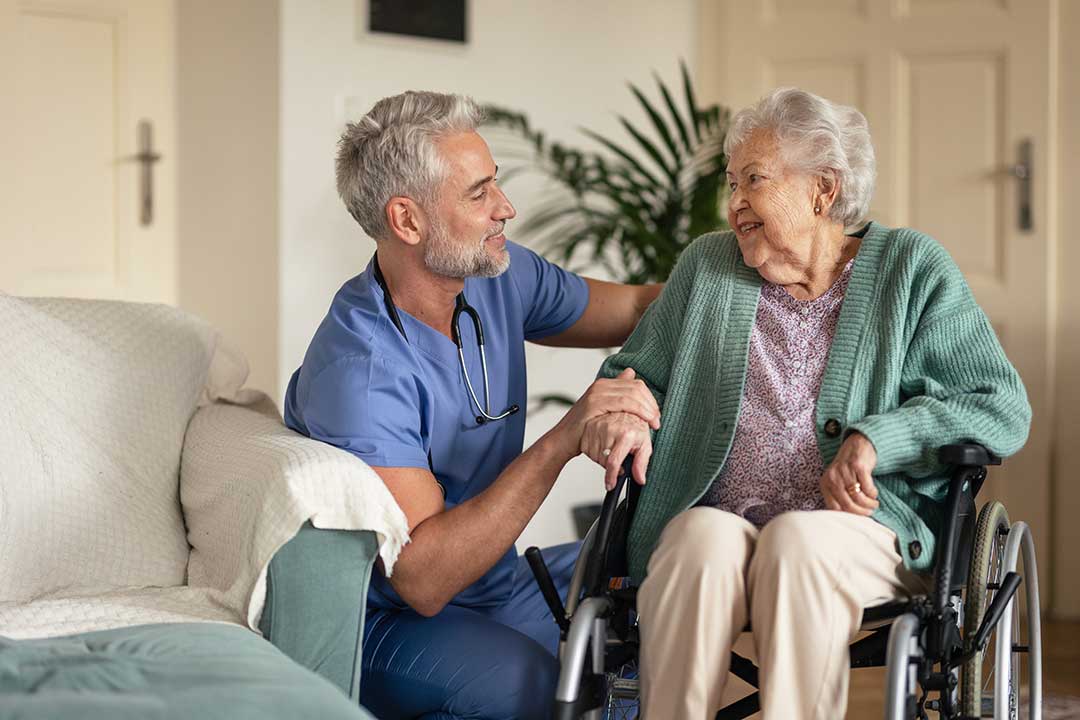
Physical changes that come with aging—such as limited mobility, vision issues, or hearing loss—can make keeping up with friends outside the home especially hard. Assisted living environments address these barriers by providing accessible facilities and adapted programs.
For example:
- Activities are typically held on ground floors or in elevator-accessible rooms
- Exercise classes are tailored to different mobility levels
- Personal assistance is provided so that residents needing support can join group meals or outings
This approach reduces practical obstacles, making it easier for residents to stay socially connected regardless of age-related limitations.
What Role Does Staff Play in Fostering Social Connections?
Staff in assisted living communities are often key facilitators of social engagement. They do more than provide care: they notice when someone may be feeling left out and encourage involvement without pressuring.
They help new residents get acquainted, introduce neighbors with shared interests, and adapt programs to reflect resident feedback. In smaller communities like those typically found in Bensalem, this personalized attention is especially noticeable and valued, helping each resident feel recognized as an individual.
How Does the Local Setting of Bensalem Enhance Social Living?
The slower pace, close-set neighborhoods, and local traditions of Bensalem contribute to a collaborative atmosphere within assisted living. Residents often recognize shared history and common values, which makes conversation and connections come more naturally than in larger, more transient communities.
Weather, too, plays a role; in the region’s varied seasons, group indoor activities become vital during winter months, while communal gardens and outdoor patios foster gathering space in milder weather.
Residents and their families benefit from the city’s safe, suburban environment, which supports regular visits and outings to parks or community events without the stress of long commutes or crowded urban centers.
What Do Residents Ask Most Often About Social Life in Assisted Living?
It’s common to worry whether moving to assisted living means sacrificing meaningful relationships. Local residents often ask:
- Will I be able to keep in touch with lifelong friends and family?
- Are there programs I can take part in even if I have health concerns?
- How private is my living space?
- Will I find people with similar interests?
Assisted living environments acknowledge these worries by fostering flexible social options, while respecting each individual’s wishes and privacy. Most residents find that, over time, the sense of community grows—sometimes in unexpected ways—and connections form naturally.
